- We're Hiring! View Opportunities
- 512-250-5055

Seasonal Allergies, Stress & Sugar: What to Know This Spring

Build Healthy Habits With “Wellness Stacking”
March 4, 2026
Break the Stigma, Eat Clean & Refresh Your Routine This May
May 6, 2026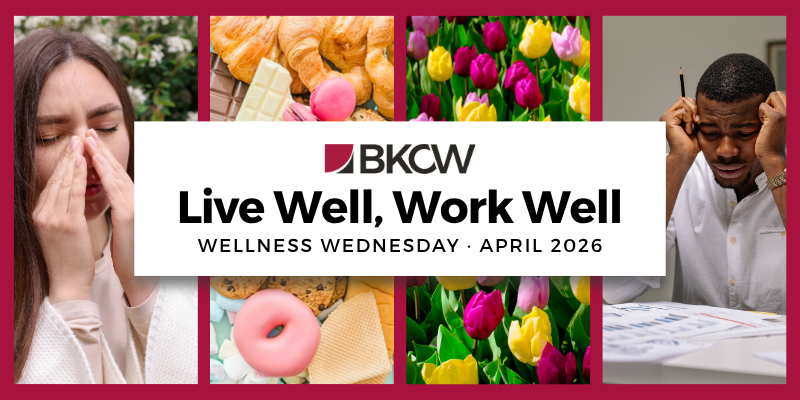
Nip Seasonal Allergies In the Bud
Springtime allergies are an annual nuisance for many people. As plants begin to bloom and people start to cut their grass more frequently, allergy sufferers nationwide start sniffling and sneezing. If this sounds familiar, you may have seasonal allergies, which are symptoms that occur at specific times of the year, typically when allergens are released into the air. The most common spring allergy trigger is tree pollen, which peaks from March to May. What’s more, mold growth blooms both indoors and outdoors, making it almost impossible to escape allergy triggers.
According to the Asthma and Allergy Foundation of America, 1 in 4 adults experience seasonal allergies from pollen from trees, grass and weeds.
According to the Asthma and Allergy Foundation of America, 1 in 4 adults experience seasonal allergies from pollen from trees, grass and weeds.
Similar to other types of allergies, seasonal allergies develop when your body’s immune system detects and then overreacts to a foreign substance it thinks is harmful. For some, allergy symptoms may consist of sneezing a couple of times a year. But for others, seasonal allergies can cause congestion, a runny, itchy or stuffy nose, watery eyes, headaches and more for weeks or months at a time. To reduce your allergies, consider the following strategies:
- Wash your bedding every week in hot water to help keep pollen under control.
- Take a shower after spending time outdoors, as pollen can stick to your hair, skin and clothing.
- Limit the number of throw rugs to reduce dust and mold. Also, opt for washable rugs.
- Clean your floors often with a vacuum that has a HEPA filter.
- Change your air conditioner and heating HEPA filters often.
Treatment for most allergies is available both over the counter and by prescription. If your allergy symptoms are severe or chronic, you may need a series of allergy shots. Contact your doctor or ask for a referral to an allergist to determine which seasonal allergy treatment option is best for you

The Impact of Chronic Stress
Stress is defined as a “state of worry or mental tension” often brought on by a difficult situation. It’s a natural reaction to perceived threats. Stress can be a good thing in small doses; it’s the body’s way of handling sudden demands and challenges.
Stress responses can enhance your focus, increase energy and promote quick responses. However, frequent and long-term chronic stress can negatively impact your health.
Stress responses can enhance your focus, increase energy and promote quick responses. However, frequent and long-term chronic stress can negatively impact your health.
Stress triggers are deeply personal, and each person experiences this feeling differently. While stress is a normal part of life that comes and goes as you navigate various life circumstances (e.g., getting a new job or presenting a project), chronic stress is different. It’s characterized by prolonged and constant feelings of pressure and anxiety. Chronic stress can contribute to feelings of anxiety and depression, issues with high blood pressure, a weakened immune system, sleep disturbances and digestive issues. If left unchecked, it can have a long-lasting impact on your physical and mental well-being.
If you’re experiencing symptoms of chronic stress, reach out to your health care provider or employee assistance program for guidance and support.

Cutting Down on Added Sugars
Sugar is woven into the modern diet—often in ways that aren’t obvious. While naturally occurring sugars can be part of a balanced eating pattern, added sugars are a different story. The 2025–2030 Dietary Guidelines for Americans (DGA) reflects mounting research that reducing added sugars can improve metabolic health and lower long-term disease risk.
The DGA recommends limiting added sugars as much as possible and advises that a single meal contain no more than 10 grams of added sugar.
The DGA recommends limiting added sugars as much as possible and advises that a single meal contain no more than 10 grams of added sugar.
Cutting back doesn’t have to happen overnight. Small, consistent changes can make a meaningful difference, so start with these strategies:
- Rethink your beverages by swapping sugar-sweetened drinks for water, sparkling water, unsweetened tea and coffee served black or with minimal sweetener.
- Choose whole, fresh fruit over fruit juice.
- Build meals around whole foods, including vegetables, whole grains, lean proteins, healthy fats and whole fruits.
- Reduce sweetness gradually to make it easier to adapt without feeling deprived.
- Read nutrition labels carefully, checking both total sugars and added sugars.
Reducing added sugar is not about eliminating all sweet foods or striving for perfection, but about awareness and balance. Occasional treats can fit into a healthy eating pattern, but daily habits matter most. Meal planning, mindful grocery shopping and paying attention to labels can help you stay within recommended limits. Over time, cutting back on added sugars may improve energy levels, weight management and overall health.

RECIPE OF THE MONTH
Avocado Black Bean Taquitos
Makes: 5 servings
Ingredients
-
1 ripe, fresh avocado (halved, pitted, peeled and mashed)
-
½ cup low-sodium canned black beans (rinsed)
-
½ Tbsp. cumin
-
1 tsp. garlic powder
-
½ tsp. salt
-
10 (6-inch) corn tortillas
-
1 cup rainbow cherry tomatoes (chopped)
-
½ cup red or yellow bell peppers (seeded and diced)
-
1 Tbsp. fresh jalapeno (seeded and minced)
-
1 Tbsp. onion (minced)
-
1 Tbsp. fresh lime juice
-
2 Tbsp. fresh cilantro leaves (chopped)
-
½ cup plain nonfat Greek yogurt
Preparations
-
Using a fork, mash the avocado and black beans together in a bowl. Stir in the cumin, garlic powder and salt.
-
Spread approximately 2 Tbsp. of the mixture onto a corn tortilla, dividing equally between 10 tortillas. Roll tightly to form 10 taquitos.
- Place taquitos into the air fryer at 400 F for 5 minutes. When the timer goes off, flip and put back into the air fryer for 5 more minutes. Depending on the air fryer, you may need to decrease the time to 3 to 4 minutes per side.
- While the taquitos are cooking, combine the cherry tomatoes, bell peppers, jalapeno, onion, cilantro and lime juice in a small bowl to make fresh pico de gallo.
- Once the taquitos are golden brown and crispy, remove from the air fryer and top with fresh pico de gallo and Greek
yogurt.
Nutritional Information (per serving)
Total calories: 181
Total fat: 6 g
Protein: 7 g
Sodium: 300 mg
Carbohydrate: 27 g
Dietary fiber: 7 g
Saturated fat: 1 g
Total sugars: 13 g
Source: MyPlate