- We're Hiring! View Opportunities
- 512-250-5055


40% of people with high cholesterol have no idea — do you?
September 2, 2026
Live Well, Work Well | October 2026
This month: what to expect from flu season, how to help your body adjust when the clocks fall back, the truth about sweat and calories, and a cozy fall recipe.
Seasonal Health
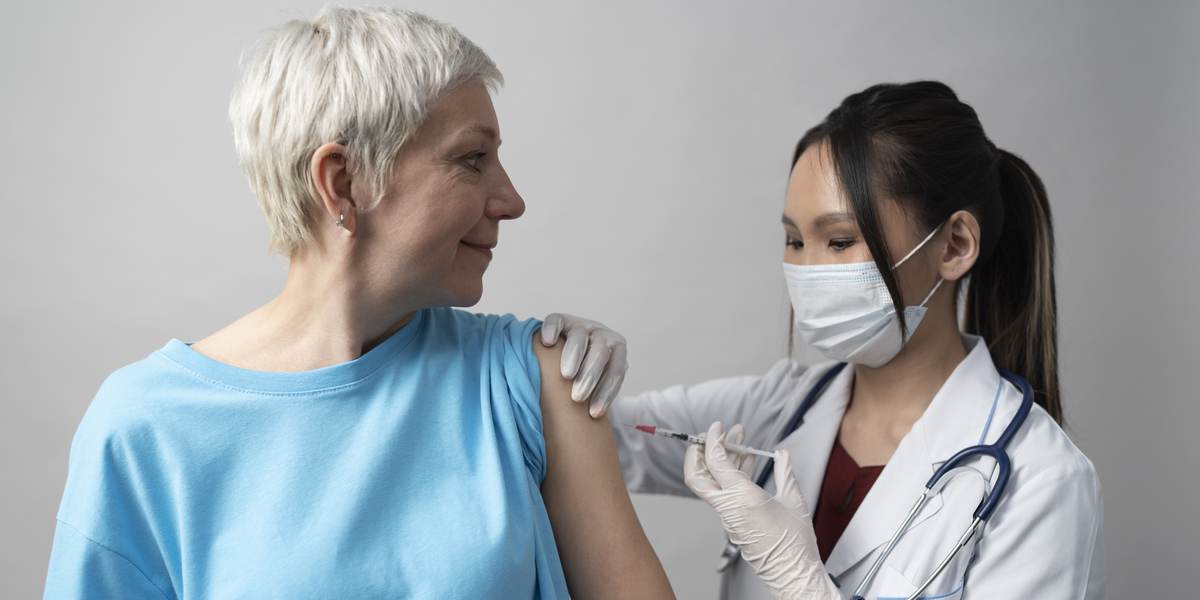
What to Know About This Year’s Flu Season
In the United States, influenza (flu) season lasts from October through May, with peak flu activity between December and March. What’s more, flu season in the Southern Hemisphere often indicates what’s to come in the United States. The 2026 season was notably milder than 2025’s record-breaking outbreak, with case counts about half as high. However, experts caution that a mild start doesn’t guarantee a mild finish, so vaccination remains the most effective way to prevent flu, especially severe disease and hospitalization.
The U.S. Centers for Disease Control and Prevention (CDC) estimates that the flu caused between 9.4 million and 51 million illnesses annually between 2010 and 2025.
How to Stay Healthy
The flu can cause serious complications for people of any age, but children and older adults are especially vulnerable. To help keep your household healthy this flu season, consider these tips:
- Get the flu vaccine. Being vaccinated against the flu is your best chance of preventing the illness. The CDC recommends that anyone 6 months and older get a flu shot every year.
- Avoid close contact with people who are sick, and stay away from others when you feel unwell. Because flu, cold and COVID-19 symptoms are similar, doctors say it’s best to get tested to know what you have.
- Wash your hands often using soap and warm water to protect against germs. If soap and water are unavailable, use an alcohol-based hand sanitizer.
- Cover your mouth and nose. Cough or sneeze into a tissue or your elbow, and dispose of tissues immediately.
- Get seven to nine hours of quality sleep each night to boost your immune system.
- Exercise regularly to strengthen your body and make it more resilient against infections, including the flu.
- Stay hydrated and eat a nutritious diet rich in whole grains, lean proteins, fruits, vegetables and fiber.
Don’t delay:Experts recommend getting vaccinated against the flu by the end of October. Contact your doctor to learn more about vaccines.
Sleep & Wellness
How Your Body Reacts to Daylight Saving Time
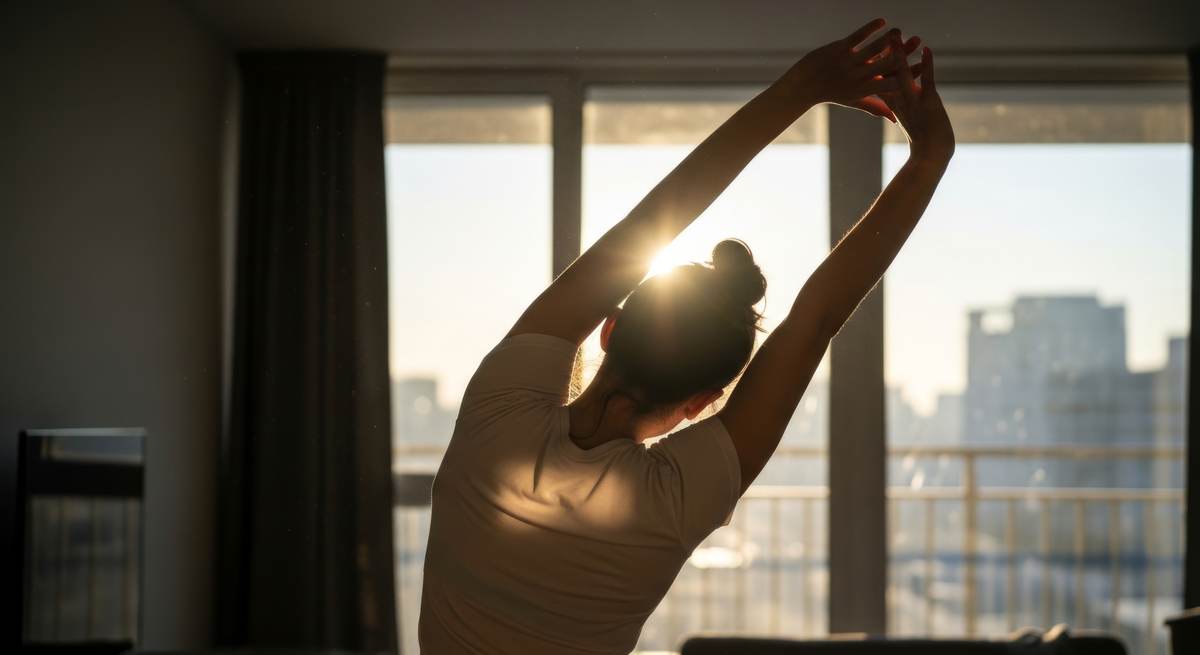
Most of the United States shifts between standard and daylight saving time (DST) each year in an effort to “save” natural light. Clocks will be set back one hour on Sunday, Nov. 1, when the DST period ends. Although you may be excited about gaining another hour in your day, even a one-hour shift can throw off the body’s internal timing system for days or longer.
Your circadian rhythm, the body’s 24-hour internal clock, coordinates more than sleep. It times the release of melatonin and cortisol, hormones that govern when you feel sleepy and when you feel alert, and it also influences digestion, body temperature and immune function. When clocks shift, that internal cycle briefly falls out of sync with the external light-dark cycle it relies on to reset itself. The result can include daytime fatigue, slower reaction time and impaired focus and judgment. The earlier onset of evening darkness that comes with the time change can also affect mood, as reduced light exposure can lower serotonin activity.
If your area follows DST, consider these tips to help adjust to the time change:
- Exercise in the morning to increase your wakefulness and reset your internal clock.
- Prioritize daylight exposure, particularly in the morning, to help realign your circadian rhythm with the new schedule.
- Keep a regular sleep routine and aim for seven to nine hours of sleep each night. Try to avoid the temptation to oversleep, as it can also disrupt your circadian rhythm.
- Remove sleep disturbances (e.g., alcohol, caffeine and blue light exposure) a couple of hours before bedtime.
Health experts recommend using the bonus hour for sleep. To make the DST transition easier, try going to bed 15 to 20 minutes earlier in the days leading up to it to help your body adjust. If you have any concerns, talk to your health care provider.
Fitness Facts
Does Sweating Burn Calories?
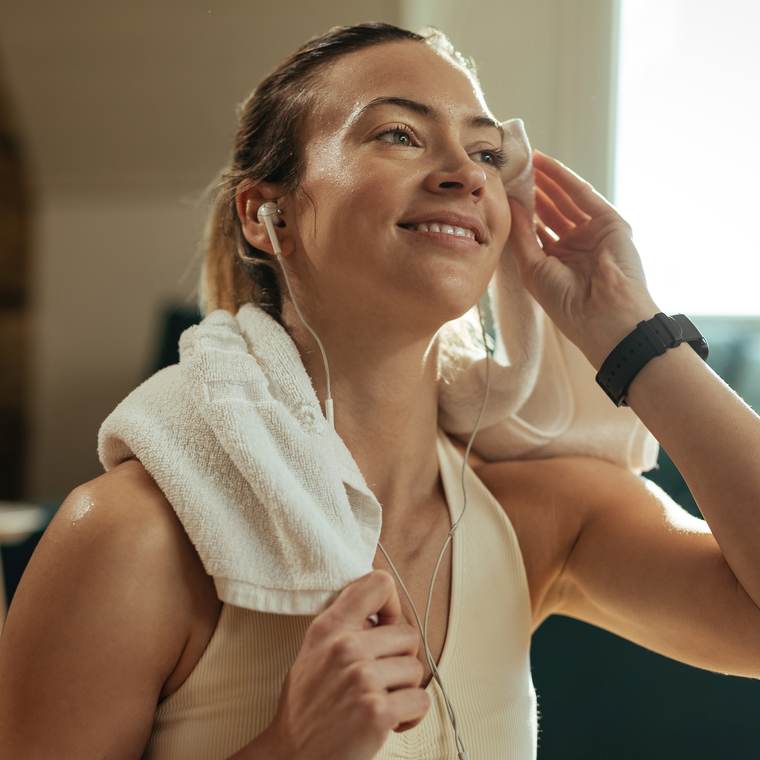
Sweat is a cooling mechanism, not a calorie-burning one. When physical activity raises core temperature, sweat glands respond by releasing fluid that evaporates and pulls heat away from the body. That process itself uses very little energy. The calories burned during a workout come from muscle activity, so a wet shirt is not a sign of a strong session.
Because of this, a well-conditioned exerciser may sweat heavily during a moderate session while someone less fit sweats very little during a harder one, even though calorie burn does not track the same way. This also explains why sauna sessions, hot yoga and other heated activities don’t necessarily translate into greater fat loss. Any quick drop on the scale afterward is almost always water weight, which returns once fluids are replaced.
Rather than tracking sweat, better signals of real progress include steady changes in strength, endurance and body composition over time, along with sustainable habits like regular movement, adequate sleep and consistent nutrition. Talk to a health care professional for additional guidance.
Healthy Recipe
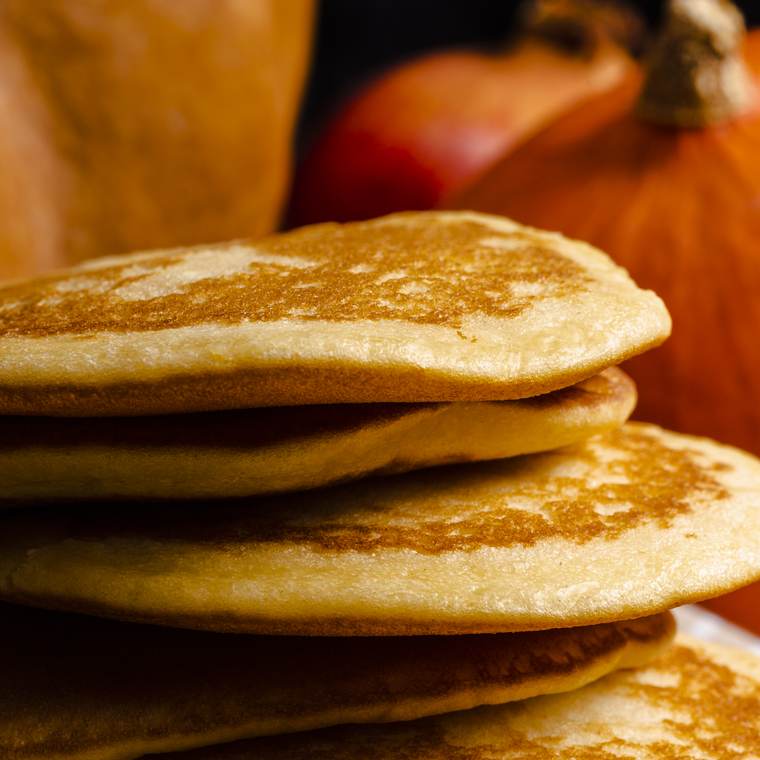
Pumpkin Pancakes
Makes 8 servings
Whole-wheat flour, pumpkin puree and a dash of pumpkin pie spice make these a hearty fall breakfast at 220 calories per serving.
Ingredients
- 1 cup flour
- 1 cup whole-wheat flour
- 2 tsp. baking powder
- ½ tsp. salt
- 2 Tbsp. brown sugar
- 1 tsp. pumpkin pie spice
- ¾ cup pumpkin puree (canned)
- 1 ¾ cups milk (nonfat)
- 3 Tbsp. vegetable oil
- 3 eggs (lightly beaten)
Preparation
- In a large bowl, combine the flours, baking powder, salt, brown sugar and pumpkin pie spice using a wire whisk.
- In another bowl, combine the pumpkin, milk, oil and eggs. Mix until smooth.
- Stir the pumpkin mixture into the dry ingredients, mixing until moistened.
- Spoon the batter onto a slightly greased, preheated skillet.
- Cook slowly until bubbles appear on top and the bottom becomes golden brown.
- Turn the pancakes and cook until the other side is golden brown.
- Serve warm. Top with powdered sugar or pancake syrup.
Nutritional Information (per serving)
Source: USDA
This article is intended for informational purposes only and is not intended to be exhaustive, nor should any discussion or opinions be construed as professional advice. Readers should contact a health professional for appropriate advice. © 2026 Zywave, Inc. All rights reserved.